
There are many different ways to print designs, logos and slogans onto t-shirts. Some are better than others but each has their own strengths and weaknesses. In this post we will give you an insight into our t-shirt printing methods we use and explain the print process in some detail. It will hopefully help you understand why we have chosen to print our t-shirts in these specific ways and why our t-shirts are of the highest quality.
When we launched Graphic Tide we wanted to produce t-shirts at the highest quality but at a very reasonable price. To help showcase artists’ work we wanted to make sure that when we printed their designs onto t-shirts, they lasted, didn’t fade in the wash, were vibrant and full of colour. There where a couple of printing methods available to us, but we narrowed it down to just two, Screen printing and Direct to Garment (DTG).
Why Not Vinyl Printing?
Vinyl printing, better know as Vinyl transfers is a very durable printing method. The process involves taking a digitally-controlled cutting machine and cutting out the design from a sheet of vinyl. The vinyl is then removed from the backing sheet and heat pressed onto the t-shirt by hand. Vinyl comes in a wide range of colours and is perfect for solid block designs with little detail, mainly for uniforms or work wear. We didn’t use this method as it becomes inaccurate when printing complicated and full colour designs. As the vinyl is pressed onto the garment by head we cannot guarantee the quality we strive for using vinyl transfers. It becomes too fiddly and pieces become too small to work with, making this an inappropriate printing method.
Why Not Transfer Printing?
Transfer printing is the cheapest of all the printing methods available, but the end result is simply not of a higher enough standard, as the transfer is unlikely to last after it’s been washed multiple times. Normally used as a cheap way to print one off t-shirts for hen or stag do’s, transfer printing uses the same process as vinyl printing, using a heat press to bind the transfer to the garment. For this reason why decided this method again wasn’t an inappropriate printing method.
Screen Printing
Screen printing is (in our opinion) the best form of printing available. With it’s excellent print quality, vibrant colours, great texture and low impact to the environment, screen printing is a method of printing that we use in our store. The print quality is so good that it’s been know to out live the garment it’s self! So if you have ever bought a t-shirt and it’s started to peal off or fade, it’s probably not screen printed or DTG! Choosing screen printing as one of our primary printing methods was easy choice to make as quality is always the most important factor!
The Screen Printing Process
This print process is the longest out of the four, as nearly all the stages are done by hand, which improves it’s print quality. This is important as we think it’s better that our t-shirts are printed by hand, which gives it a more personal and creative touch. It allows each garment to be the same throughout as it’s in a safe pair of hands! To begin the process the design needs to be spilt into separate colours, each colour makes up each an individual screen.
The reason for this is that each colour is added one-by-one to make up the design. The screen is a square woven mesh within a wooden frame that is placed over a t-shirt for the ink to be pressed over the mesh to form the image. Taking each individual colour the image is burnt onto the mesh. The mesh is cleaned and covered with a water sensitive emulsion which absorbs the light. As the screen cannot be exposed to normal light or UV light, it must be kept in a yellow room. Each colour (screen) from the artwork is exposed to a strong bright light which exposes the artwork fully. The light hits the screen and where the artwork isn’t present light is absorbed and where the artwork is the light blocked.
Once completed the screens are washed with water to remove toner from the screen, and where the light has been blocked, the toner is washed away. This will unveil the original artwork as the toner which has been exposed to light chemically changes and becomes a solid, which cannot get washed away (unless you want to fully clean it). The parts that haven’t been exposed to light are weaker and therefore can be broken down easily when washed. The process is repeated for each screen until you have all screens ready for t-shirt printing.
Next, you align then clamped down the screen to the t-shirt to avoid movement. Plasticol ink is poured onto the wooden screen frame at the top and using a squeegee, (window cleaners type tool) spread the ink across the whole screen, which is of a colour from your artwork. You will then see a transfer on top of the garment after you have removed the screen. The t-shirt is put under a hot heat source for 5-10 seconds, know as flash curing, to dry out the ink to avoid pick-up from the remaining screens. This process is repeated for each colour until all colours have been printed.
Finally the t-shirt needs to dry and is put in a special heating machine, reaching temperatures of 320 degrees and is dried for around 30 seconds. The ink is then dry to touch and the screen print is complete. Now you have set-up your screens you can repeat the printing process onto hundreds of t-shirts as long as you have enough ink!
The initial setup is quite long but is worth the time as the printing quality is of the highest standard. However, screen printing does have it’s issues, as it’s not ideal for full colour prints. Designs that have hundreds of different colours, like photographs or artworks with gradients, requires a separate screen for every colour. Once the number of colours in an artwork rises over 8, screen printing becomes an unfavourable choice as the cost to print so many colours becomes unfeasible. However to help overcome this problem we also use DTG printing as our secondary printing method.
Our iconic Our iconic within our store is a great example of great screen printing. Made up of 3 separate colours, the lion design comes to life with it’s bright, highly detailed design. The t-shirt is available to buy in our store, from £25.

Direct to Garment (DTG)
DTG is a great way to overcome the multi colour printing issue that occurs with screen printing. Designs with thousands of colours and gradients can be printed using DTG. A rather new method of printing, t-shirts are placed onto a similar plate as screen printing. The garment is then fed into a large garment inkjet printer and the image is printed onto the t-shirt. DTG works similar to home and office computer printers, but DTG has been highly advanced to print onto garments with exceptional quality. DTG works best printing onto white t-shirts and is quick, with fewer overheads compared to screen printing. DTG isn’t ideal for all types of designs but produces a great print when screen printing isn’t an option.
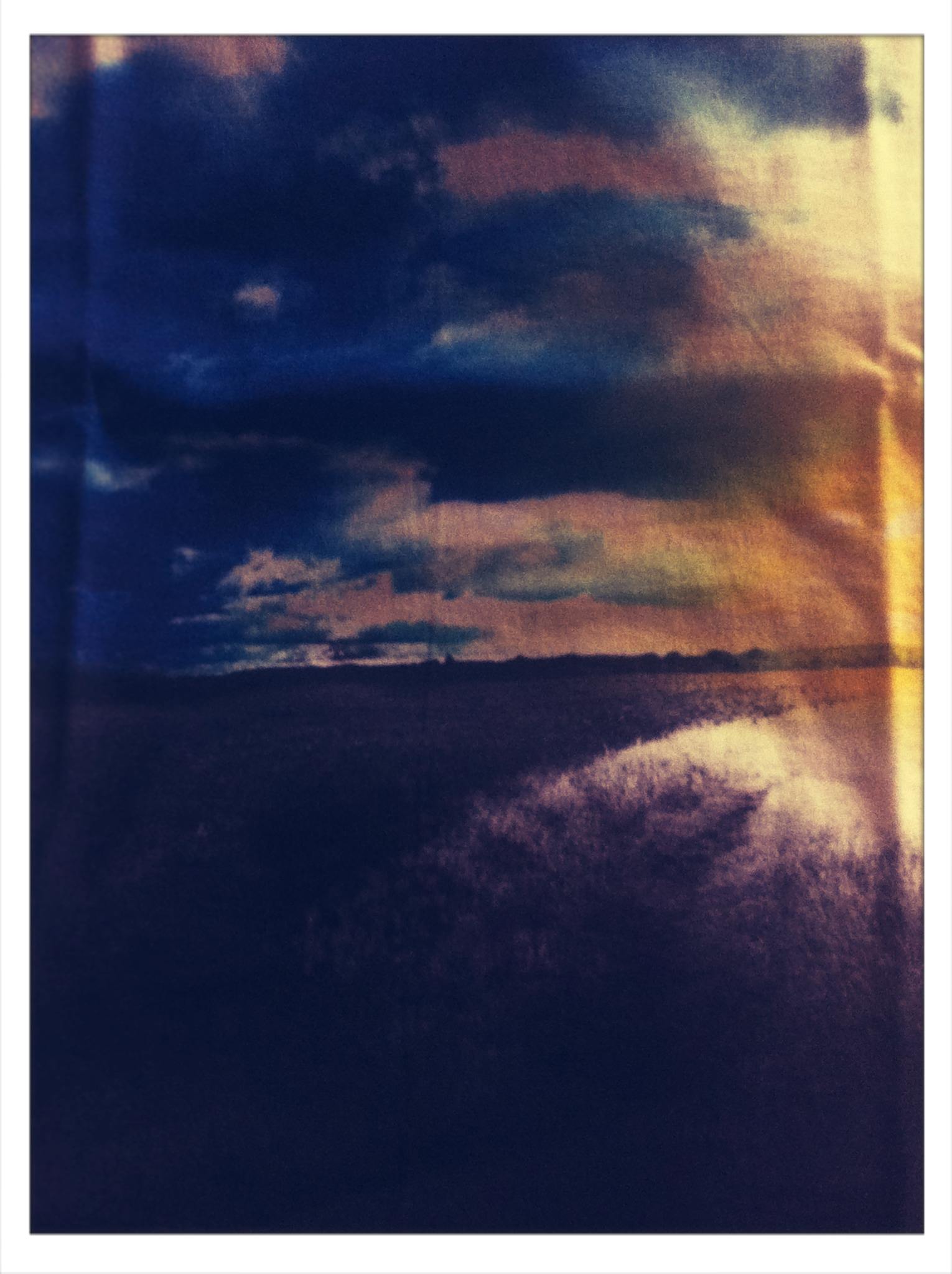
Our first printed deign, ‘Disorientated’ t-shirt was printed using DTG. Due to the large amounts of different colours that make up the design, DTG was the best printing method. This design is also available to buy in store, priced £20.

I hope you have enjoyed this step-by-step introduction into t-shirt screen printing and DTG. We have 4 different tees in our store that use both these printing methods, so why not take a look?
